Brand Identity Design Sydney Australia
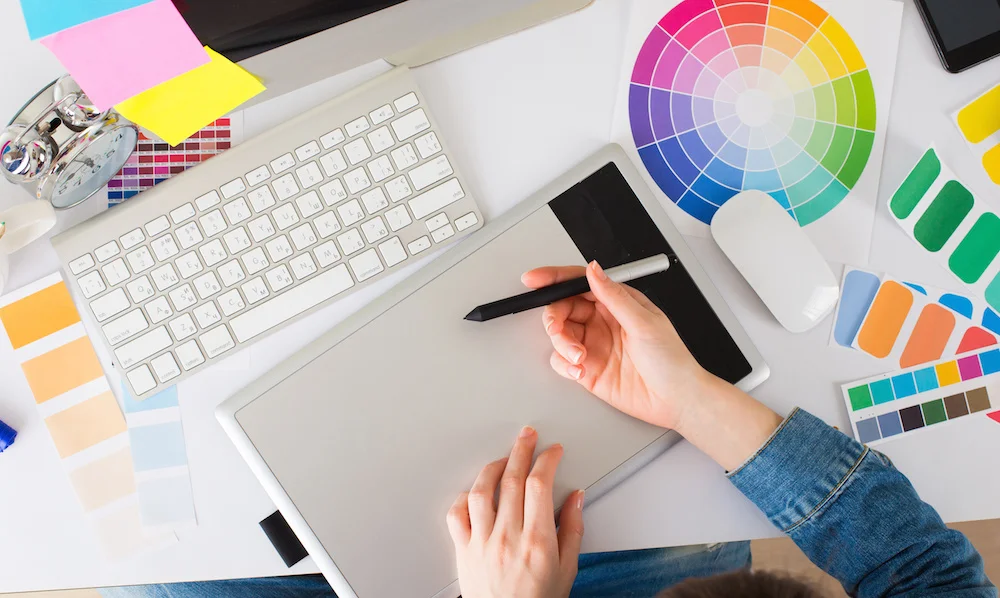
Give your business a clear visual identity with colours, typography and brand guidelines that work together.
Give your business a clear visual identity with colours, typography and brand guidelines that work together.
Founders and marketing leaders launching, refreshing or unifying a brand across touchpoints.


Stakeholder workshops and audience context clarify what the brand must signal and where it must differentiate.
Multiple visual territories are presented so choice is strategic, not subjective guesswork.
The chosen direction becomes a full identity kit with rules that survive real-world use.
Guidelines and templates equip marketing, sales and partners to apply the brand correctly.
Simple, clear brand identity design for your business.
Explore our projects to see how we turn business goals into practical results.
-
 Brand Strategy Market Magnet How Techable Australia helped Market Magnet sharpen positioning and accelerate growth. Read case study
 -
 Brand Strategy Tidal Strategy How Techable Australia helped Tidal Strategy sharpen positioning and accelerate growth. Read case study
 -
 Web & Experience Trend Beacon How Techable Australia helped Trend Beacon sharpen positioning and accelerate growth. Read case study
Why teams trust us with Branding & Creative Design
- 01
Systems, not one-off screens
Reusable components and tokens mean the tenth page costs a fraction of the first and still looks like the brand.
- 02
Designed against real content
We work with your actual copy, catalogue and edge cases, so layouts survive contact with production data.
- 03
Handover engineers can build
Specs, states and responsive behaviour are documented, which removes the usual round of build-time guesswork.
Questions about Branding & Creative Design
What is included in branding and creative design?
A branding scope can include visual direction, logo work, colour, typography and practical brand guidelines. Creative applications such as social templates or print materials should be listed separately. We agree the assets your business actually needs.
How is brand identity different from a logo?
A logo is one part of your identity. Brand identity also covers the visual choices that make your business recognisable across touchpoints. Consistent colours, typography and image style help the logo work as part of a complete system.
When should a business consider a rebrand?
A rebrand may help when your positioning, audience or offer has changed, or when the current identity is difficult to use consistently. We review the problem first. Sometimes a careful refresh is enough without replacing everything.
Can you refresh our branding while keeping the existing logo?
A refresh can retain a familiar logo while improving colours, typography and applications. We assess which elements customers recognise and which cause problems. The direction should fit the business goal rather than change established assets unnecessarily.
What do you need from us before starting brand design?
Useful inputs include your audience, offer, competitors and existing assets. Examples of what feels right or wrong can help, but the reasoning matters most. A clear brief and one coordinated feedback contact make decisions easier.
How are brand concepts and revisions handled?
The proposal should state the number of directions, revision stages and approval points. Feedback is most useful when it connects to the brief and audience. New directions after approval may change the cost or delivery schedule.
What brand files will our business receive?
Agree the final logo formats, colour values, font information and usage guide in the scope. Editable files and third-party licences need to be specified. This gives your team and suppliers a consistent reference for future work.
How much does business branding cost?
Branding cost depends on research, the number of assets and how many applications are required. A logo refresh differs from a full identity rollout. A scoped quote should also clarify licences and any production work outside design.
Talk to us about Branding & Creative Design
Bring the brief, the budget or just the problem. You will get a straight answer on scope, timing and whether this is the right service for it.