Go-to-Market Strategy Sydney Australia
Plan how to reach the right customers with clear positioning, offers and a practical launch roadmap.
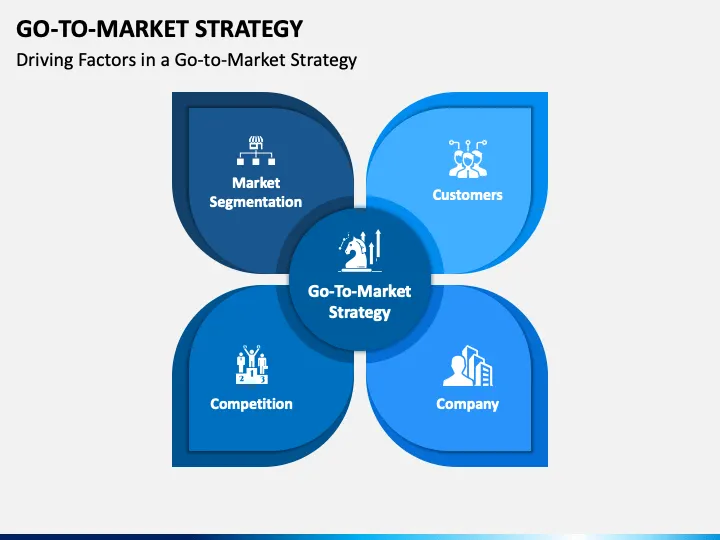
Plan how to reach the right customers with clear positioning, offers and a practical launch roadmap.
Founders and revenue leaders preparing a launch, category entry or serious repositioning.

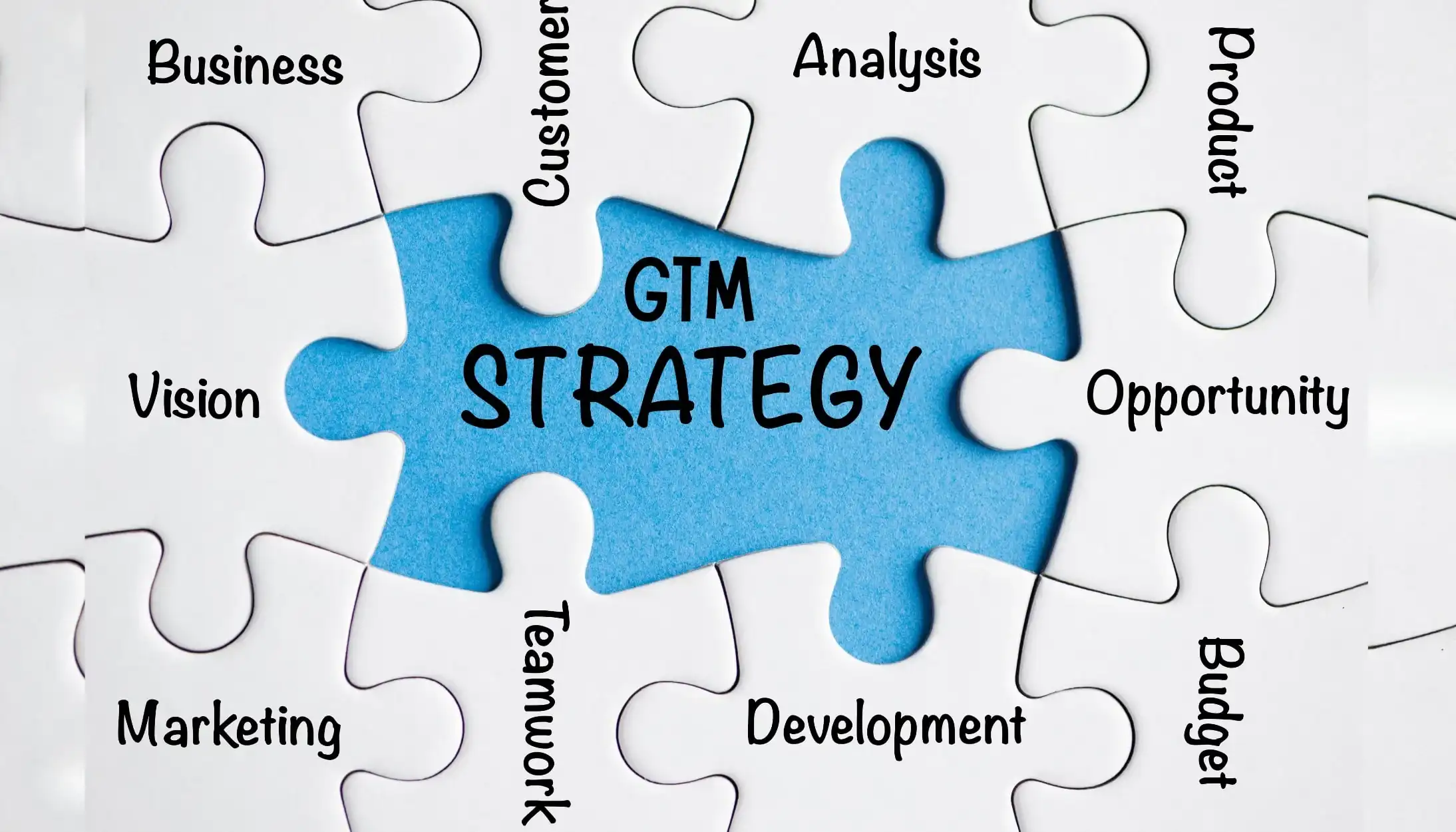
We clarify the commercial goal, constraints and what “good” looks like in the first two quarters.
Product, messaging, proof and channel capacity are assessed against the target segments.
Positioning, offers and channel plays are sequenced into a coherent GTM plan.
Owners, rituals and metrics are set so the strategy survives contact with the calendar.
Our Digital Marketing Strategy portfolio
Explore our service examples. Select an image to view it in full.
Why teams trust us with Digital Marketing Strategy
- 01
Evidence over instinct
Market and competitive intelligence grounds the positioning before a single asset is produced.
- 02
Sales and marketing aligned
Messaging, objection handling and enablement material are built together so the two functions tell one story.
- 03
Launch plans with owners
Every workstream has a name, a date and a metric attached, which is what makes a launch survive contact with a real calendar.
Questions about Digital Marketing Strategy
What is a digital marketing and go-to-market strategy?
It is a plan for reaching the right customers with a clear offer and practical channels. A go-to-market strategy also considers positioning and how sales happen. The aim is to connect marketing activity to a business goal.
When should a business invest in marketing strategy?
Strategy is useful before a launch, a major change in direction or increased marketing spend. It can also help when activity is busy but results are unclear. Reviewing the goal and customer first helps avoid spreading budget too thin.
What do we receive from a strategy project?
Deliverables can include audience priorities, positioning, channel recommendations and an action roadmap. We define the decisions the plan must support and who will carry them out. A strategy should be usable by your team after the project.
How do you choose the right target customers?
We combine your customer knowledge with available market and sales evidence. Needs, buying triggers and commercial fit help prioritise segments. The best starting audience is not always the broadest one.
Can you build a strategy around a limited marketing budget?
A limited budget makes prioritisation more important. We focus on the strongest audience and offer opportunities, then choose a manageable set of activities. The plan should account for the time and skills available in your team.
Does the strategy include running the campaigns?
Strategy and execution are separate scopes unless both are included. The plan should identify campaign owners, required assets and implementation costs. We clarify what our team will deliver and what remains with your business.
How do you measure whether the strategy is working?
Agree measures such as qualified enquiries, pipeline, customer acquisition cost or revenue, depending on the business. Set a baseline and review cadence. Channel activity is useful context, but the main measures should reflect the goal.
Can you improve our current marketing plan?
We can review your existing plan, results and assumptions rather than start from scratch. The work identifies what to keep, what to change and where evidence is missing. This helps your team make clearer budget and channel decisions.
Talk to us about Digital Marketing Strategy
Bring the brief, the budget or just the problem. You will get a straight answer on scope, timing and whether this is the right service for it.